Simple zero cost ways of having a more sustainable vacation in 2026
Ok, I realize “sustainable” is not necessarily the first thing people have in mind when planning a vacation. But with a little bit of research and planning, you can drastically reduce your impact on the place you visit so that other generations will be able to enjoy it in the future.
We’ve listed our big-ticket items below, but if you have other things you do that should be included in this guide, please reach out and we’ll include your ideas here.
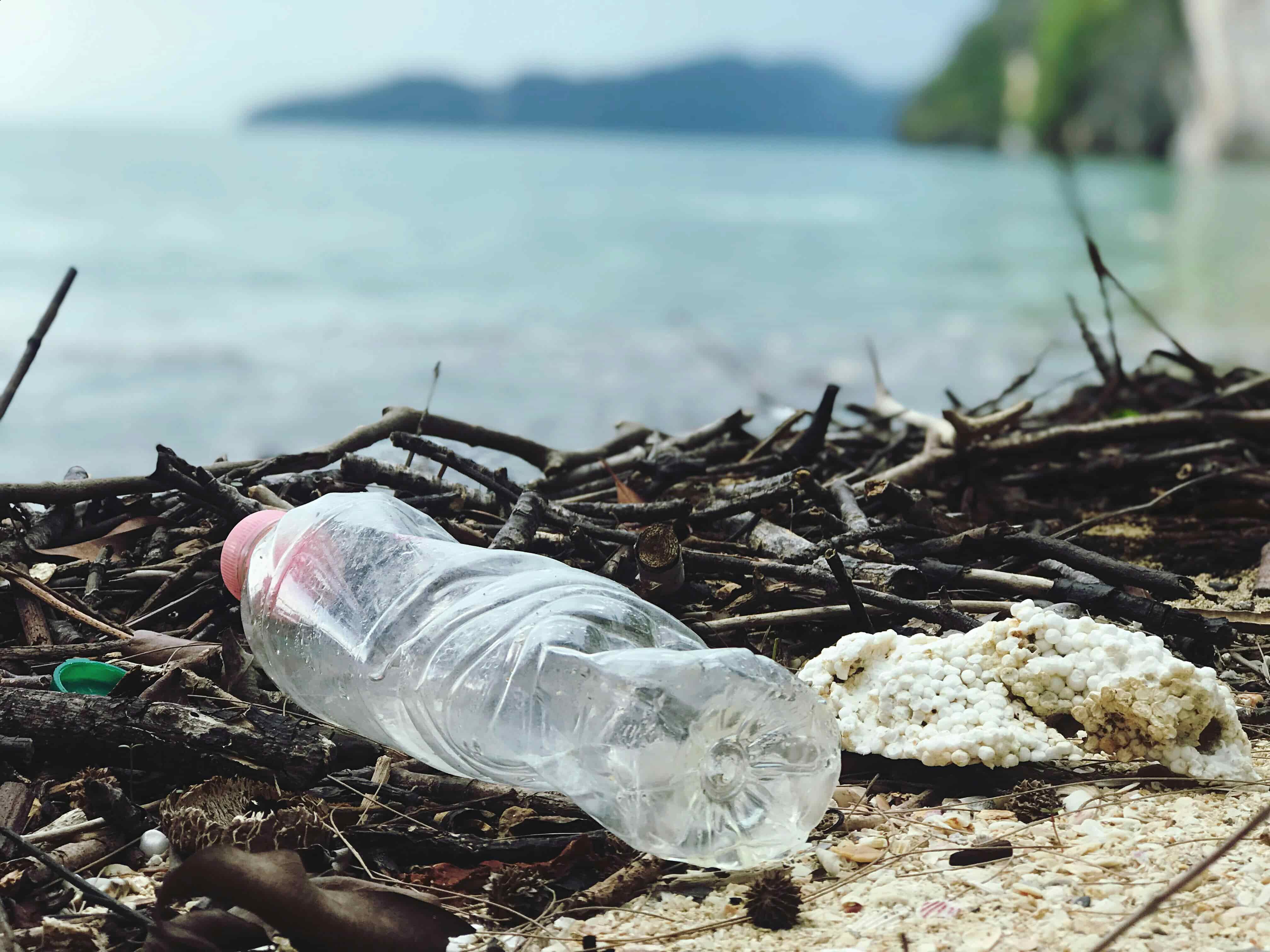
Avoid single-use plastics#
Water bottles#
This is definitely the biggest culprit, but also one that, depending on where you’re spending your New Year’s vacation, may unfortunately be hard to reduce.
First of all, make sure you pack a reusable water bottle. Ideally one that’s made of stainless steel, because microplastics are a thing. Even if tap water at your destination isn’t drinkable, you may be staying at a place that has a water fountain, and you wouldn’t want to use a plastic cup each time you’re thirsty.
Then start by checking whether tap water is safe to drink where you are. You’ll be surprised how many places have perfectly safe tap water that is used by all the locals. That includes essentially everywhere in the European Union. We use sites like TODO to get an initial idea and then mostly rely on Reddit. If tap water is drinkable, you’re in luck. No more plastic bottles, no more lugging six-packs around, and you even save money.
Ah, you say, but even though the water is safe to drink, I don’t like the taste. Worry not, we have a solution that doesn’t involve going back to buying water. Enter the filtering bottle. We use this one from Brita, but there are many options to choose from.
Plastic straws#
There are places in the world where they’re illegal, but if you’re not visiting one of them, you can always refuse plastic straws when offered or inform your waiter in advance. Plastic straws are a huge source of plastic pollution simply because we tend to use so many of them. Think about your average hotel in a tropical location and two straws per cocktail. That really adds up fast. So just say no to plastic straws.
Hotel amenities#
Luckily, many hotel chains have chosen to ditch the tiny shampoo and shower gel bottles in favor of more sustainable options. But they’re not the majority, so packing your own toiletries is a simple way to avoid those little plastic bottles.
If you’re on a tropical vacation, odds are you’ve already packed some flip-flops. So do you really need to use the hotel-provided slippers? Most of them are entirely made of plastic. Packing your own slippers is an easy fix.
Last but not least, you know those takeaway coffee cups that seem to be made of cardboard? Nine times out of ten, they have a thin plastic lining that makes them hard or even impossible to recycle. So if you have a choice between those and ceramic cups, you know what to choose. And coffee will taste better too.
Choose ethical and sustainable wildlife experiences#
It starts with a bit of research. You wouldn’t just choose the first option you find, right? You look at websites and reviews before booking anyway. So when you do your research, keep an eye out for information on their policies around animal welfare and sustainable practices.

Green flags to look for:#
- Clearly stated policies on only natural animal encounters (no feeding, no baiting)
- The same approach to zero animal interaction (tourists are not allowed to touch, feed, or interact in any way with wildlife)
- Information on how the operator positively impacts the environment – this varies depending on location, but examples include operating wildlife sanctuaries, organizing clean-ups, or running conservation awareness campaigns
Red flags to be aware of:#
- Guaranteed wildlife encounters. This usually means they bait or feed wildlife, which interferes with natural behavior.
- Social media images of tourists interacting with wildlife – either in reviews or, worse (as it shows the business actually supports the practice), on their own social media channels
Choose ethical and sustainable dive operators#
Since you’re reading this, I’ll go ahead and assume you’re a diver. Otherwise, if you’d like to be one, check out our dive training options :)
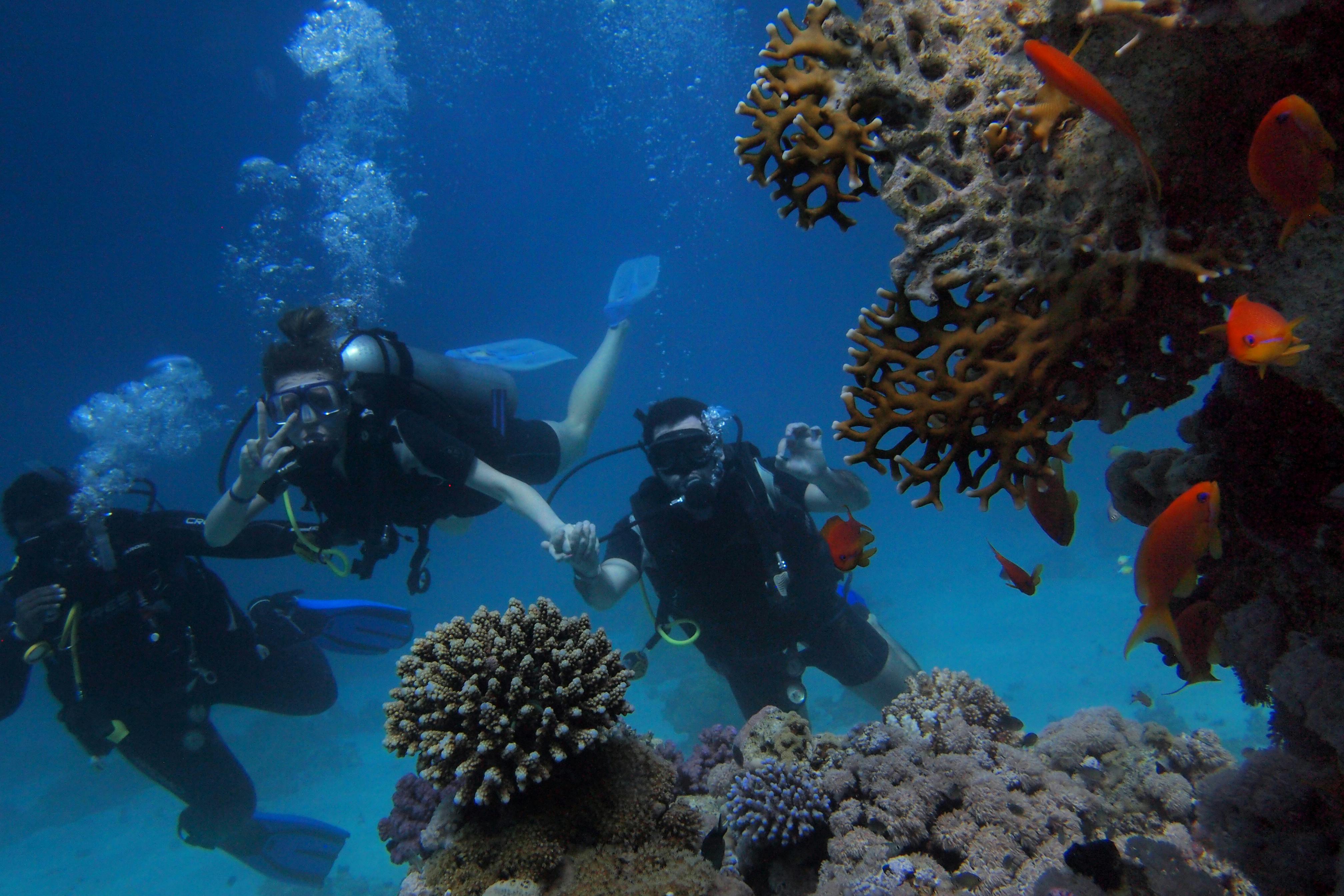
Most divers (and dive operators) are ocean ambassadors and strive to have a positive impact on the environment. I wish I could say that’s everyone, but unfortunately, that’s not the case. Here are some green and red flags to help you choose a good operator.
Green flags for sustainable dive operators:#
- Social media activity promoting awareness and (bonus points) showing evidence of actions supporting the environment. Underwater clean-ups are the most common, but the sky’s the limit. Some dive centers host and support marine biologists, others grow coral—you name it.
- Clear conservation policies: no interaction with marine life, sustainable boating practices (such as using fixed moorings instead of anchors), and buoyancy requirements to protect corals
Red flags for dive operator sustainability:#
- Social media showing divers touching or interacting with marine life
- Guaranteed wildlife (typically shark) encounters → often point to baiting, which alters natural shark behavior
- Social media content showing divers with poor buoyancy close to (or damaging) coral
What we do at Blue Pulse#
We put our money where our mouth is at Blue Pulse. So much so that we pledge to give 50% of our profits to ocean conservation activities.
So if you’d like to train with us, know that you will become a competent, environmentally aware diver—and that you’ll also be paying it forward for future generations.
Cool, huh? :)
There are no articles to list here yet.